

META TITLE
How to Create Your First Freelance Portfolio with No Experience in 6 simple steps.
META DESCRIPTION:
Learn how to create you first freelance portfolio with no experience using step-by-step process, sample projects and beginner-friendly tools.
How to Create Your First Freelance Portfolio with No Experience: Step-by-Step Process
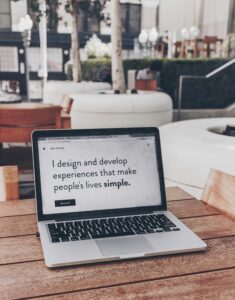
Many beginners search for how to create your first freelance portfolio with no experience as they think freelancing starts after getting clients but that is not usually how it works. Most freelancers begin with no client history and gradually build a portfolio through practice projects and skill-based examples.
A freelance portfolio is simply a collection of work that helps people understand your abilities. Instead of only listing skills, it gives practical proof of what you can create.
If you already explored How to Make Money Online as a Beginner, creating a portfolio becomes a natural next step because skills become easier to showcase when they are presented through real examples.
Why Is a Freelance Portfolio Important?
A portfolio help beginners:
- Show practical skills
- Build trust with potential clients
- Organize work professionally
- Display projects clearly
- Improve opportunities for online work
Even a small portfolio with a few quality projects often creates a stronger impression than an empty profile.
According to learning.linkedin.com, demonstrating practical work and skills can support career growth and professional opportunities.
Step 1: Choose One Skill Before Building Your Portfolio
Many beginners make the mistake of adding multiple unrelated skills together. A focused portfolio is usually easier to understand.
Examples:
| Skill | Beginner Portfolio Example |
| Content Writing | Blog articles and product descriptions |
| SEO | Keyword Research Examples |
| Graphic Design | Social media graphics |
| Video Editing | Edited videos and reels |
If you previously explored Best Digital Skills to Learn to Make Money Online, you can choose one skill from that list and create projects around it.
Step 2: Create Practice Projects:
You do not need paid clients to create portfolio examples:
Start with small projects such as:
- Writing a sample article
- Designing social media graphics
- Editing a short video
- Creating SEO reports
- Building website layouts
Beginner sometimes avoid creating projects because they continuosly think their work is not ready yet. Learning how to calm an overthinking mind can make it easier to move from planning into action.
Step 3: Use Free Tools to Create Your Work
Creating projects does not always require expensive software. Many useful platforms offer free versions suitable for beginners.
Examples include:
- Canva for graphics
- Google Docs for writing work
- Google Drive for storing projects
- DaVinci Resolve for video editing
If you recently explored Best Free Tools for Online Work Beginners, many of those tools can help build and organize portfolio projects.
Step 4: Organize Your Portfolio Structure
Your portfolio does not need complicated sections initially.
| Section | Purpose |
| About Me | Short introduction |
| Skills | Services and abilities |
| Projects | Examples of your work |
| Tools Used | Platforms and software |
| Contact Information | Ways to connect |
Understanding how to create you first freelance portfolio with no experience becomes easier when projects are organized and presented clearly as it helps visitor to recognize your work more easily.
Step 5: Upload Your Portfolio Online
Once projects are ready, upload them where people can access them easily.
Options include:
- Freelance profiles
- Personal websites
- Portfolio platforms
- Cloud storage links
Make sure your work is refined and simple to navigate.
Step 6: Improve Your Portfolio Over Time
Your first portfolio does not need to be perfect.
Gradually:
- Replace older projects
- Improve examples
- Update designs
- Add stronger work samples
Most freelancers continuously improve their portfolio as they gain more experience.
Common Beginner Portfolio Mistakes
Avoid these common mistakes:
- Uploading unfinished work
- Copying projects from others
- Adding too many unrelated skills
- Writing long descriptions without examples
- Using low-quality visuals
Quality usually matters more than quantity.
What to Expect in the Beginning?
Many beginners expect immediate results after creating a portfolio. However, the beginning stage usually involves experimentation and gradual improvement.
You may notice:
- Limited responses initially
- Regular project updates
- Continuous learning
- Increasing confidence over a period of time
Progress often feels slow at first but building useful projects consistently usually creates better long-term results.
Beginner Portfolio Checklist
Before publishing your portfolio, check whether you have:
- Added a short introduction
- Chosen one main skill
- Included 3-5 sample projects
- Organized projects properly
- Added contact information
- Used quality images and examples
- Updated old projects
Conclusion
By following these steps for how to create your first freelance portfolio with no experience, beginners can gradually build stronger work examples and improve future freelancing opportunities. A portfolio does not require years of work history or a long list of clients. What matters more is showing practical skills through real projects and presenting them in an organized way.
Starting with one skill, creating sample work and improving projects over time can gradually build a stronger portfolio. Small steps taken consistently often create more progress than waiting for perfect conditions and this effort will henceforth, help your portfolio grow into a valuable tool for presenting your abilities and opening new online opportunities.
FAQs
1. How can i create my first freelance portfolio with no experience?
Beginners can start by creating sample projects using free tools and organizing their work into a simple portfolio structure.
2. What should I include in my first freelance portfolio?
Add 3–5 strong sample projects, a short bio, a list of services and contact details. Include testimonials if you can.
3. Should I mention that I’m new to freelancing?
Not necessarily. Focus on what you can do, not what you haven’t done yet. Let your samples speak for your effort and knowledge.
4. Can a portfolio improve freelancing opportunities?
Yes. POrtfolio helps clients understand your practical abilities and work examples.
5. Where should I host my portfolio?
Popular platforms include Behance, Dribbble, Notion, WordPress. Choose one that’s easy to update and share.
Thanks for sharing a step by step guide. appreciate it.
Thanks Liah
Pingback: How to Price Your First Freelance Services as a Beginner - Hanzoworld
Pingback: How to Write a Freelance Proposal That Gets Client Responses - Hanzoworld